


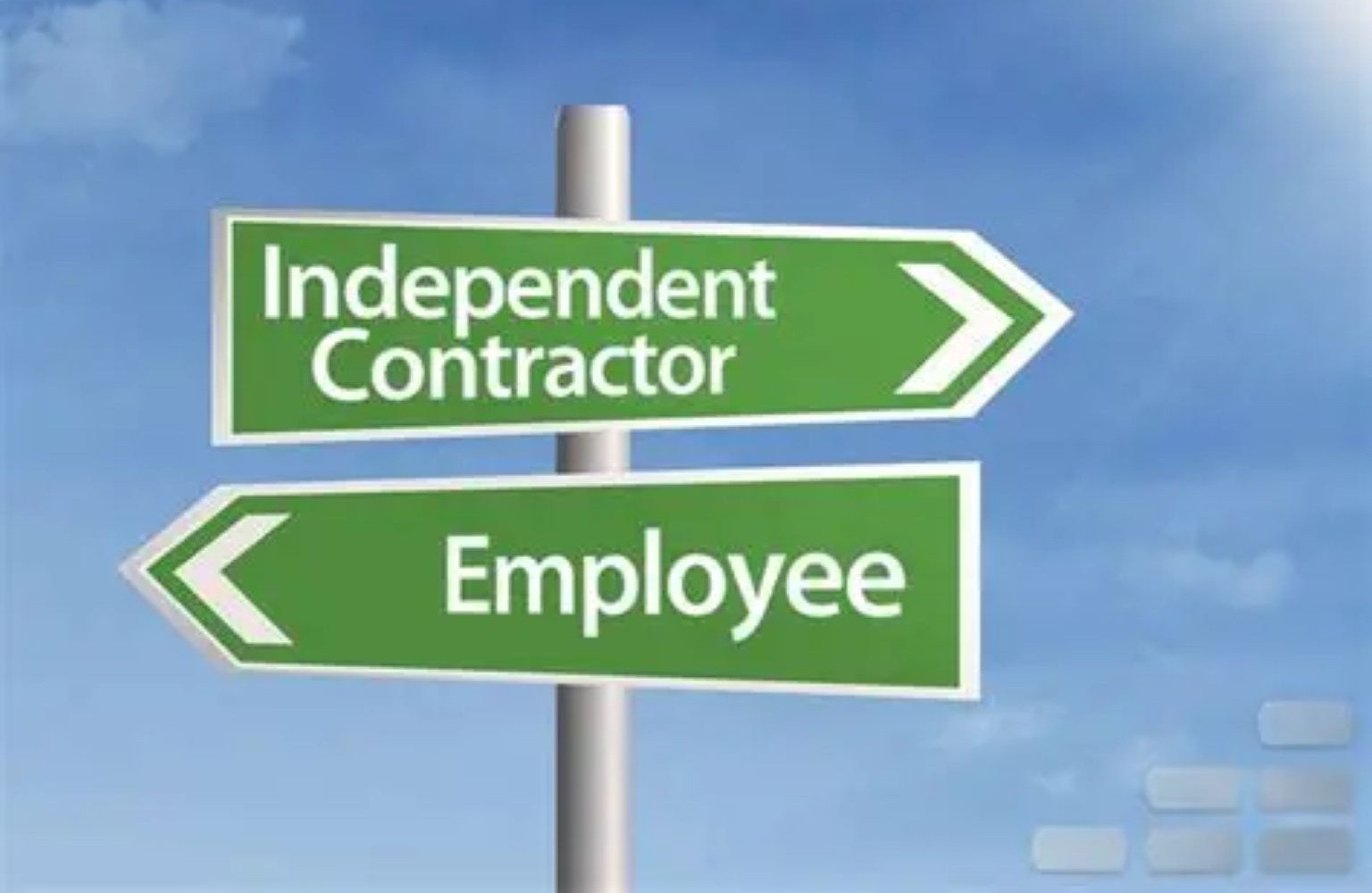
New Jersey’s Department of Labor is reviewing its approach to determining who qualifies as an independent contractor, commonly referred to as the ABC Test. This clarification is long overdue and promotes greater fairness and transparency on the issue.
For years, the misclassification of workers has quietly undermined New Jersey’s labor market. By falsely classifying employees as independent contractors, some employers skirt responsibilities such as paying into unemployment insurance, adhering to wage and hour laws, or providing earned sick leave. These aren’t just technical violations, they are direct attacks on worker protections, honest business practices and the taxpayer.
The ABC Test isn’t new. It’s been part of our case law and enforcement standards for years.
What N.J.A.C. 12:11 does is formalize that standard so that the state can enforce it with clarity and consistency. That matters when many companies are exploiting the loopholes in the law. Responsible contractors who play by the rules, pay fair wages, and ensure job-site safety are being undercut by bad actors who exploit vulnerable workers.
Some might consider misclassification only as a labor issue, but it is much more than that. When companies avoid taxes and deny worker protections, everyone loses. State revenue drops, forcing workers to be cheated out of things that the law guarantees them, including health care, unemployment insurance, and legitimate paychecks owed to them. Finally, it allows unscrupulous operators to rig the bidding process.
The construction industry, in particular, is no stranger to this problem. Independent contractor abuse has been used to lower bids by evading the obligations that responsible contractors meet every day. Codifying the ABC Test ensures a level playing field so contractors are competing on skill and quality, not on who can game the system the best.
Some critics claim this rule is overreaching. Which is just untrue because the changes don’t alter the law but instead affirm it, a long-overdue approach. The appeal is the test’s simplicity. These include:
- The worker must be free from control and direction.
- The work performed must be outside the usual course of the business.
- The worker must be engaged in an independently established trade or business.
These aren’t unreasonable requirements; it’s common sense.
Some groups have expressed concern that this rule may add burdens or limit flexibility. But fairness isn’t a burden, it’s a foundation. No legitimate business model should depend on exploiting labor or dodging lawful obligations. If a company cannot survive without treating employees as disposable, it should reconsider its business model and not ask the state to weaken worker protections.
The push for N.J.A.C. 12:11 is about protecting the backbone of New Jersey’s workforce. It’s about recognizing the dignity of labor and the importance of fair competition. And it’s about putting in writing what we already know to be true: a fair day’s work deserves a fair day’s pay, and the protections that come with it.
We urge the State of New Jersey to adopt this rule and continue leading the way on labor rights. N.J.A.C. 12:11 is a necessary step to ensure the construction industry, indeed every industry, is built on fairness, responsibility, and respect for those who do the work.
Brandon Fishbaum is the workforce development and community affairs manager of the Carpenter Contractor Trust


