


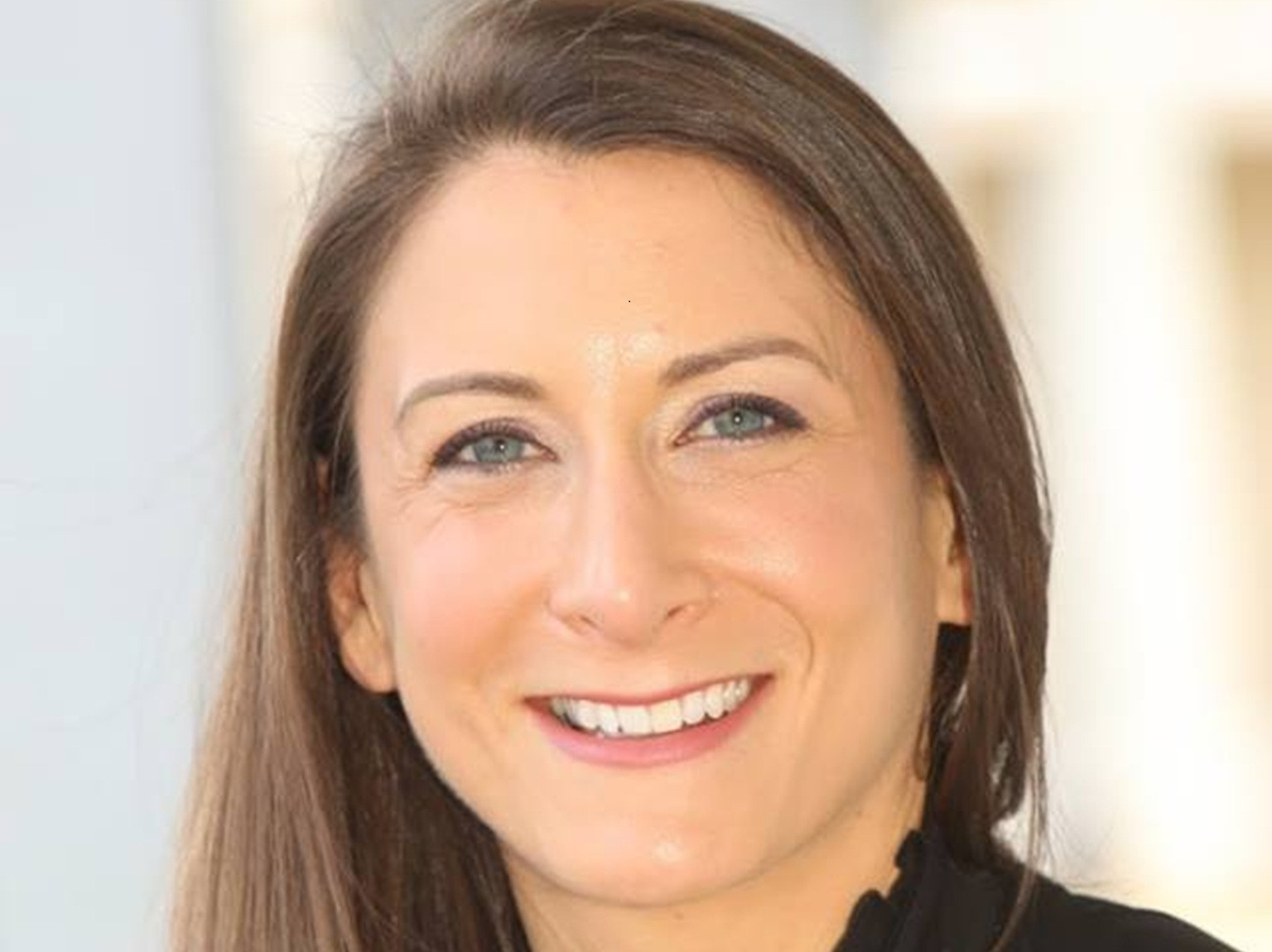
HealthCare Institute of New Jersey CEO Chrissy Buteas is skeptical of some of the provisions in the “Great Healthcare Plan” released Thursday by the Trump administration.
Among other items in a plan that was big on outcomes but light on how they will be achieved, were potential policies aimed at price controls.
Buteas said an unintended consequence would be limiting research.
“Today’s proposal of mandatory price controls would cripple our ability to find those new treatments and cures,” she said.
Buteas said she obviously supports lowering health care costs – and supported efforts to change the relationship pharmacy benefit managers have with the ecosystem.
The president’s thoughts on this issue do not go far enough, she said.
“One way to immediately and easily lower costs is to require pharmacy benefit managers to take the billions of dollars of rebates they receive and pass them on to patients – instead of keeping it for themselves,” she said.
“While we applaud the proposal for barring PBM payments to large consulting firms, PBM reform should go much further. These middlemen line their pockets by overcharging patients and employers, and it’s time for federal and state policies to prohibit this unethical PBM profiteering at the expense of patients.”
Changes to the life science ecosystem impact New Jersey far greater than most areas.
“New Jersey leads the world in drug discovery and curing diseases,” she said. “There are smart ways to lower costs without jeopardizing future treatments and cures, and we will continue working with policymakers in Washington and Trenton to enact those smart approaches for patients and human health.”
During the release of the proposal, Mehmet Oz, the Centers for Medicare and Medicaid Services administrator, told reporters that “big, seismic shifts” are needed to address the issues in the U.S. health care system.
“The real question is, how do we get past lazy lawmaking to actually start to address the underlying problems, not just throw more taxpayer money at issues, but get to the root causes of why the system right now is not working the way it needs to,” he said.
Buteas said a two-pronged approach must be taken.
“Lowering costs for patients is among the highest of priorities, one that must be coupled with the continued discovery of new, revolutionary ways to save patients’ lives from cancers and other dreaded diseases,” she said.


