


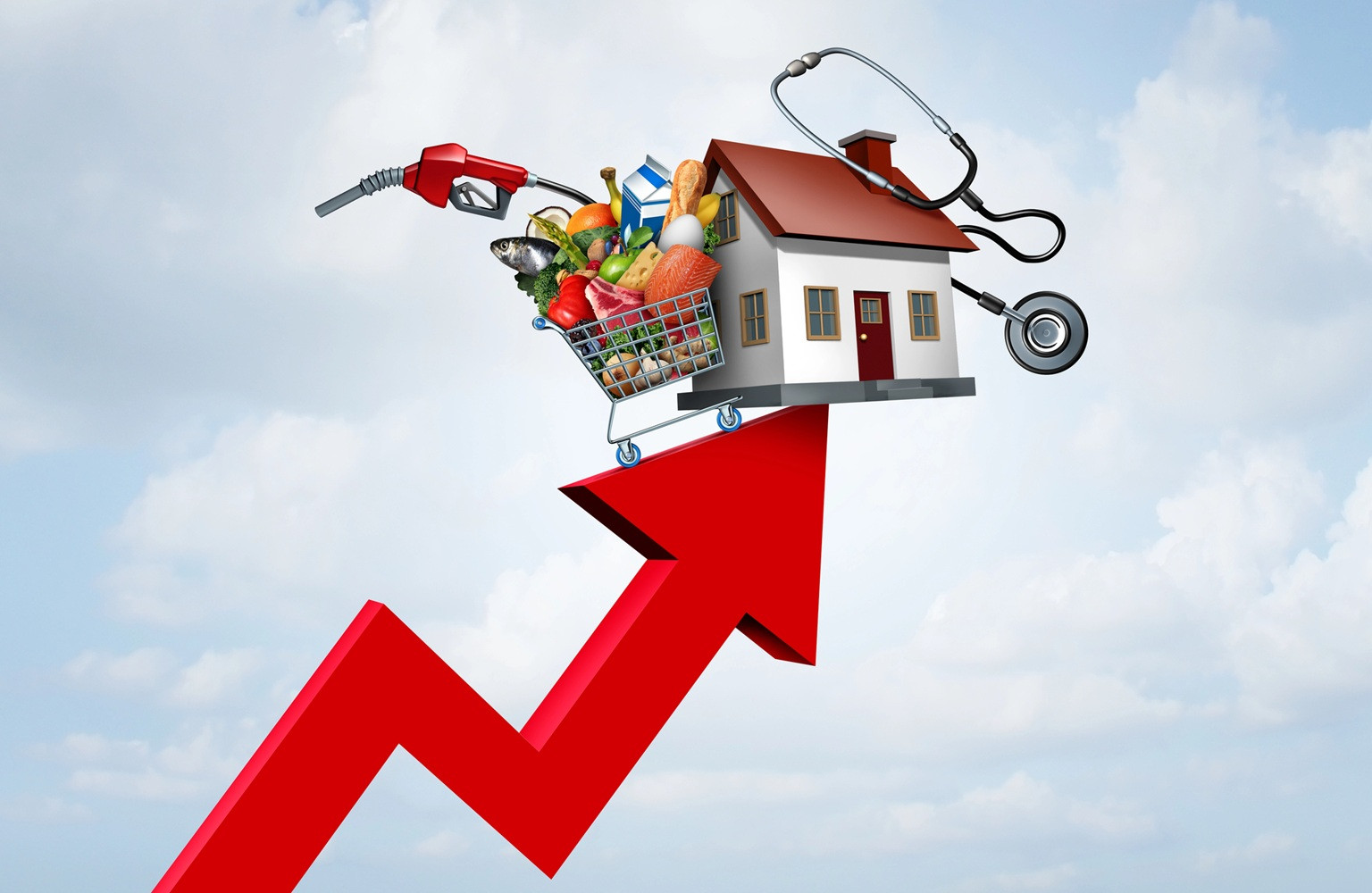
Just weeks before Election Day, a newly released Rutgers-Eagleton Poll reveals that taxes and affordability are the overwhelming concerns for New Jersey’s likely voters, a sentiment that casts a shadow over the state’s business climate and future direction.
The poll’s findings are particularly troubling for the business community, as a significant majority of voters cite fiscal issues as the state’s top problems. Thirty-six percent of likely voters identify taxes as the top issue, with another 21% pointing to affordability overall. This means a combined 57% of voters prioritize these financial burdens, far outpacing other concerns like the economy (4%), electric and utility costs (5%), or specific housing affordability (6%).
This emphasis on fiscal strain highlights the pressure on consumers and businesses alike. As Ashley Koning, director of the Eagleton Center for Public Interest Polling, noted, “Taxes have been the No. 1 problem for New Jerseyans for the past decade in our polling… New Jerseyans feel the fiscal pinch now more than ever between the national and state economy, plus rising utility rates.”
Majority sense state is on the ‘wrong track’
The fiscal anxieties are mirrored in a broad dissatisfaction with the state’s trajectory. Fifty-five percent of likely voters believe New Jersey is on the wrong track, compared to just 35% who say it’s moving in the right direction. This 20-point gap suggests a desire among the electorate for a change in Trenton’s governing approach, which could impact future legislation and spending that affects businesses.
The “wrong track” sentiment is particularly acute among key demographic groups vital to the state’s economy:
- Nearly 9 in 10 Republicans (89%) and nearly 6 in 10 Independents (58%) say the state is on the wrong track.
- 61% of men feel the state is headed wrong.
- 59% of white voters share this negative outlook.
The dissatisfaction underscores the challenge for policymakers to address the high cost of living and operations that often drives residents and businesses to seek lower-tax environments.


