


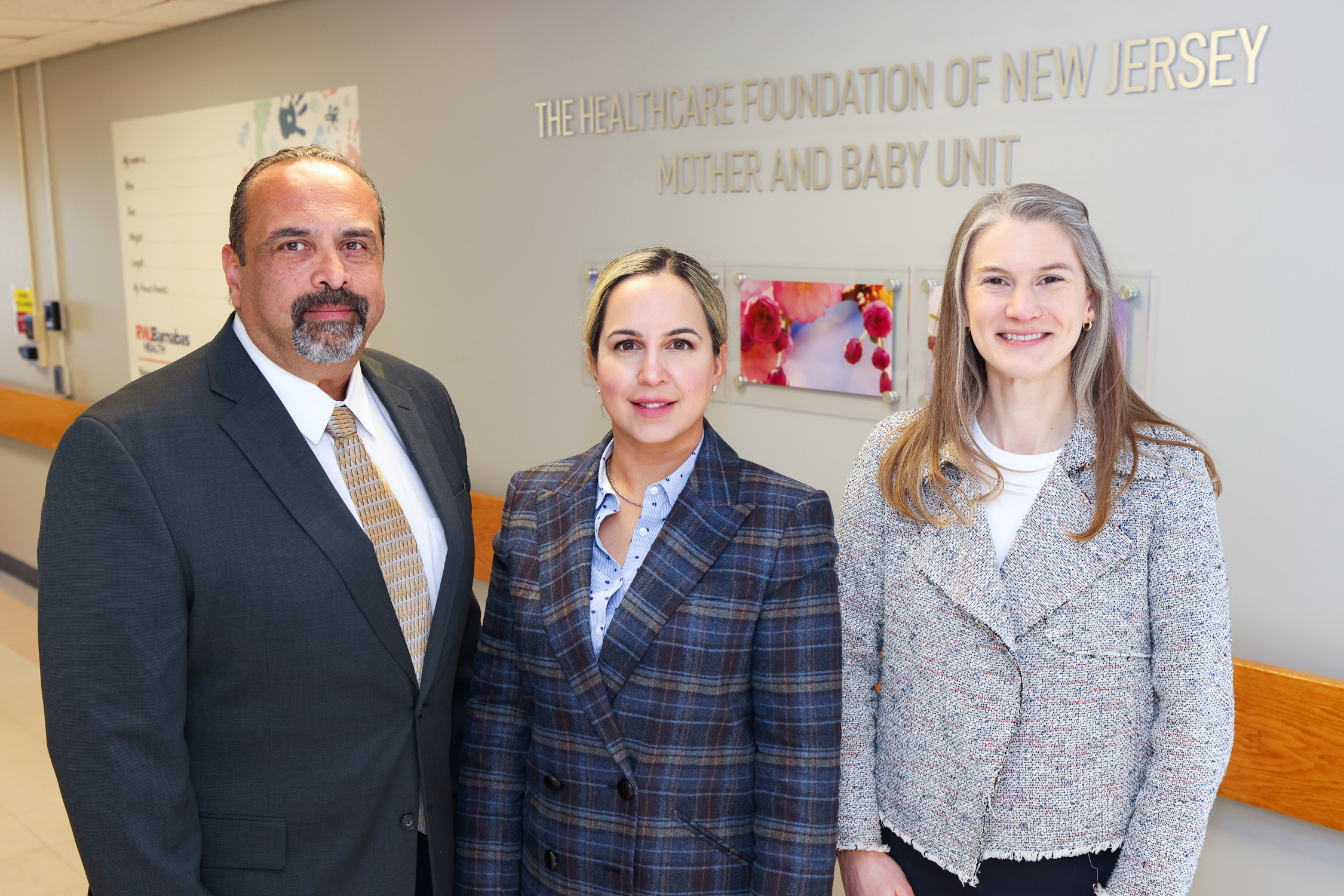
In a groundbreaking initiative that provides unconditional cash assistance to low-income new and expectant mothers, RWJBarnabas Health announced it has made a $2 million investment to help bring The Bridge Project to New Jersey.
The Bridge Project works to end childhood poverty by providing moms in the U.S. with access to flexible cash through a unique combination of direct service, research, and policy influence.
Since its inception as a neighborhood pilot in New York City in 2021, the Bridge Project has grown to eleven states across the U.S., committing $88 million to delivering direct, unconditional cash support to over 3,800 moms and babies.
RWJBH’s commitment, which is supported by its state appropriation funding, was instrumental in bringing The Bridge Project to New Jersey for the first time, making RWJBarnabas Health the only health system in the state to support the program.
Through RWJBarnabas Health’s investment, which has served as a catalyst to raise additional resources, up to $20,000 will be placed directly into the hands of mothers during the first three years of their child’s life, helping families meet essential needs during a critical development period. The program’s no-strings-attached model offers a $1,125 prenatal stipend, followed by monthly payments for 36 months that promote healthy child development, parental well-being and household stability.
In New Jersey, eligible participants must be 18 years or older, reside in designated participating municipalities, have an annual household income below $44,000 and be 23 weeks pregnant or less at the time of enrollment; no Social Security number or individual taxpayer identification number is required.
(Here is where you can find out eligibility criteria in the New Jersey program or to apply.)
Suzanne Spernal, SVP of Women’s Health at RWJBarnabas Health, applauded the announcement.
“RWJBarnabas Health is deeply committed to advancing maternal health for all mothers, and this investment reflects that commitment in action,” she said. “By directly supporting mothers during pregnancy and early childhood, we are helping ensure families have the financial stability, autonomy and dignity they deserve.
“The Bridge Project brings an innovative, evidence-based approach to maternal and infant well-being, and we are proud to help make it a reality in New Jersey.”
This initiative builds on RWJBarnabas Health’s longstanding efforts to reduce barriers to maternal and infant health and strengthen community well-being through targeted support, strategic partnerships and community-based investments.
Balpreet Grewal-Virk, SVP of Community Health at RWJBarnabas Health said the system’s investment in The Bridge Project is another example of how RWJBH is tackling social determinants of health head-on.
“We recognize that the first three years of a child’s life are critical to long-term health and well-being,” she said. “By supporting this program, we are helping to address childhood poverty at its roots while fulfilling our mission to build and sustain a healthier New Jersey.”
The Bridge Project has expanded its evidence-based model to New Jersey from existing cohorts in New York, Wisconsin, Connecticut, Appalachia and Massachusetts.
In New Jersey, the program will support 250 eligible pregnant individuals in the state, 100 of whom will be supported by RWJBarnabas Health’s investment. Since the program’s inception, The Bridge Project has served more than 2,000 families nationwide, with early data revealing participants noted increased savings, improved mental health and greater employment opportunities thanks to the financial stability provided through the monthly payments.
Suzanna Fritzberg, the executive director of The Bridge Project, is thrilled to bring the program to New Jersey.
“At The Bridge Project, we have seen how investing directly in mothers can transform maternal and infant health, and drive lasting improvements in families’ financial stability,” she said. “Our partnership with RWJBarnabas Health has enabled us to expand our programming in New Jersey and support families when they need it most.”


