


America’s infrastructure is aging faster than we are replacing it. In New Jersey, many of the systems that support our communities — from drinking water and stormwater networks to roads, bridges, and transit corridors — continue to carry critical demands long after their original design life has passed.
For six decades, T&M Associates has worked alongside clients to plan, design, and improve the infrastructure that keeps communities functioning. I’ve spent 40 of those years working with talented engineers supporting those entities to address these challenges and implement upgrades that help them thrive.
When critical systems break down, the impacts affect residents, businesses and the long-term economic health of a community.
Futureproofing water systems, roadways and environmental ecosystems by developing sustainable, resilient solutions that can withstand tomorrow’s challenges has become one of engineering’s most important responsibilities.
The reality is that infrastructure rarely fails overnight. More often, it fails one deferred investment at a time. This is why we need to rethink how we plan, fund, and futureproof our communities.
We have seen the most success when our clients partner with an experienced team to assess system vulnerabilities, identify funding opportunities, navigate regulatory requirements, and implement engineering solutions that balance immediate needs with long-term resilience.
PFAS contamination is a growing issue for communities where engineers are helping utilities remove these “forever chemicals” from our water systems. We helped design one of the first ion-exchange resin treatment systems to remove PFAS contamination from municipal drinking water. The West Deptford project has become a model for PFAS contamination removal in other states, demonstrating how engineering innovation can protect public health while supporting community redevelopment and economic growth.
Water main breaks underscore a broader reliability problem, increasing year over year, as a result of decades of applying short-term fixes to aging and overworked water systems. Many municipalities are now confronting the consequences of deferring investment in systems that were never designed to operate this long without significant upgrades.
At the same time, climate change is raising the stakes, especially along New Jersey’s nearly 1,800 miles of shoreline, which includes hundreds of coastal communities. For many engineers and government leaders working on recovery efforts, Superstorm Sandy marked a turning point in how infrastructure resilience is approached in New Jersey. One of the biggest takeaways was that designing infrastructure solely around historical conditions was no longer sufficient. In the almost 15 years since Sandy, we have worked with FEMA to update flood risk maps, comply with higher building elevation requirements, and embed resilience planning in many infrastructure projects.
An added complexity to addressing these challenges with urgency is a significant workforce shortage in engineering, as fewer are entering the field to keep pace with retirements.
This challenge will require stronger partnerships between industry and higher education institutions to encourage more students to pursue engineering careers and contribute to improving the quality of life for the future.
New Jersey’s long-term economic resilience depends on how effectively we plan for the next generation of infrastructure challenges.
Projects like upgrading wastewater treatment in northwestern Bergen County, redesigning Hoboken’s Washington Street, widening the Garden State Parkway, and restoring Little Egg Harbor’s Shoreline demonstrate the kind of forward-looking infrastructure investments our state needs. These types of projects — where engineering expertise, community priorities, and long-term planning intersect— show how we can collectively position communities to grow, compete, and thrive.
Futureproofing requires communities to take a long-lens view of the challenges they face today, and partner with experienced engineering teams to build sustainable systems that our communities will rely on for decades to come.
Infrastructure investment, after all, is one of the most important economic development decisions a community can make.
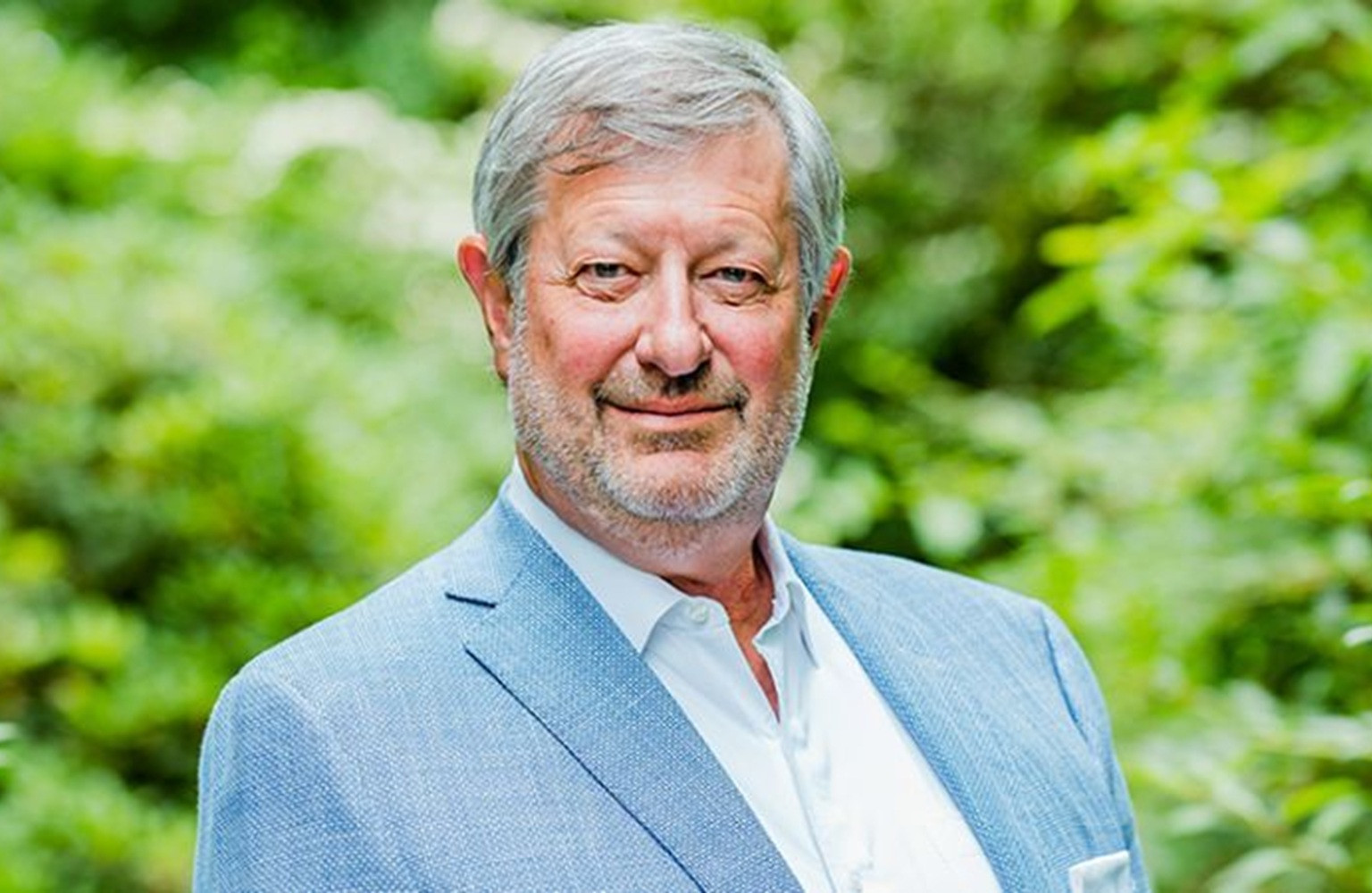
Gary Dahms is the longtime CEO of T&M Associates and the former chair of the N.J. State Chamber of Commerce.


