


Could you have kept up with the chocolates on the conveyor belt — or stomped the grapes in Italy without losing your footing?
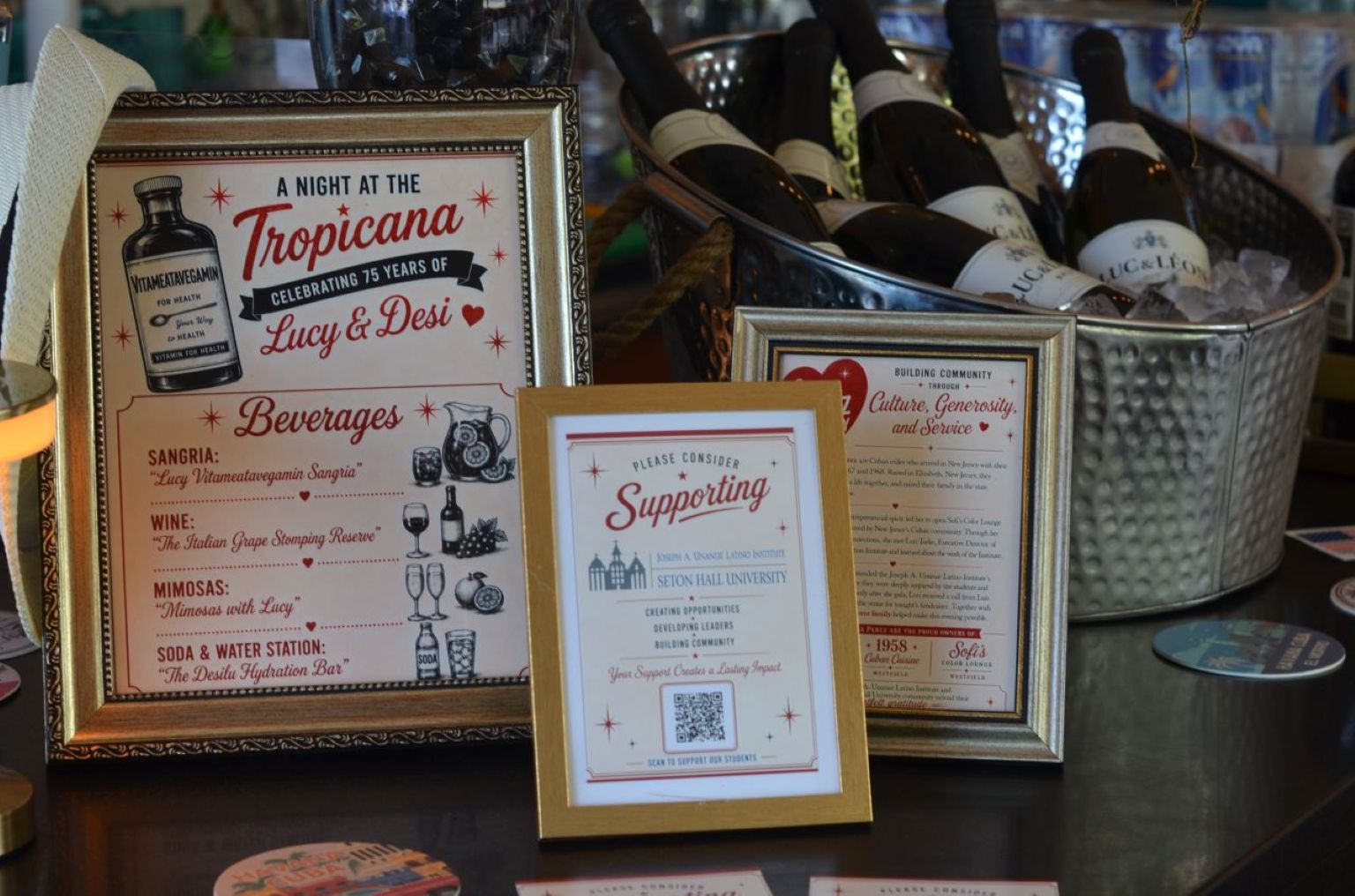
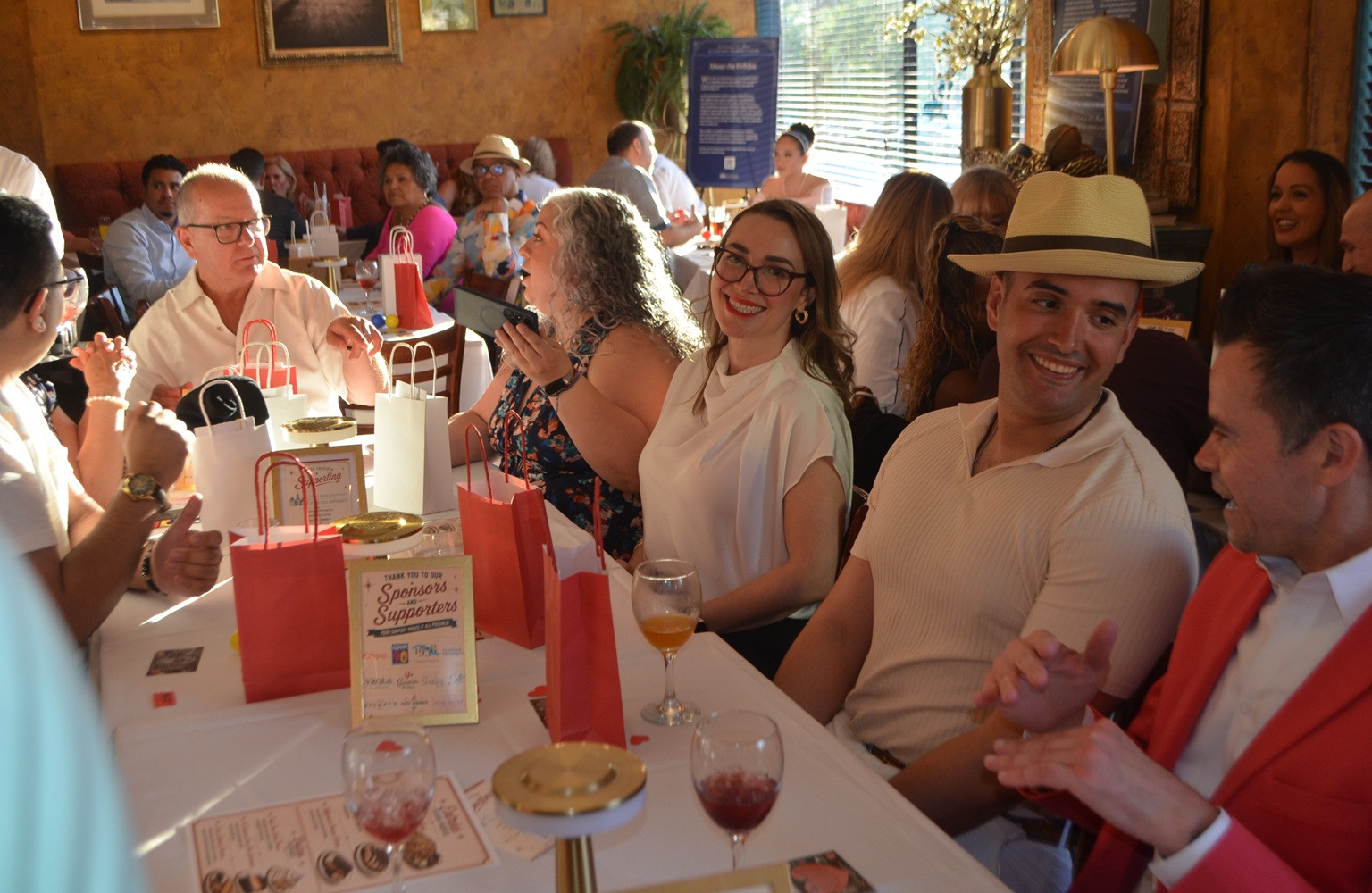
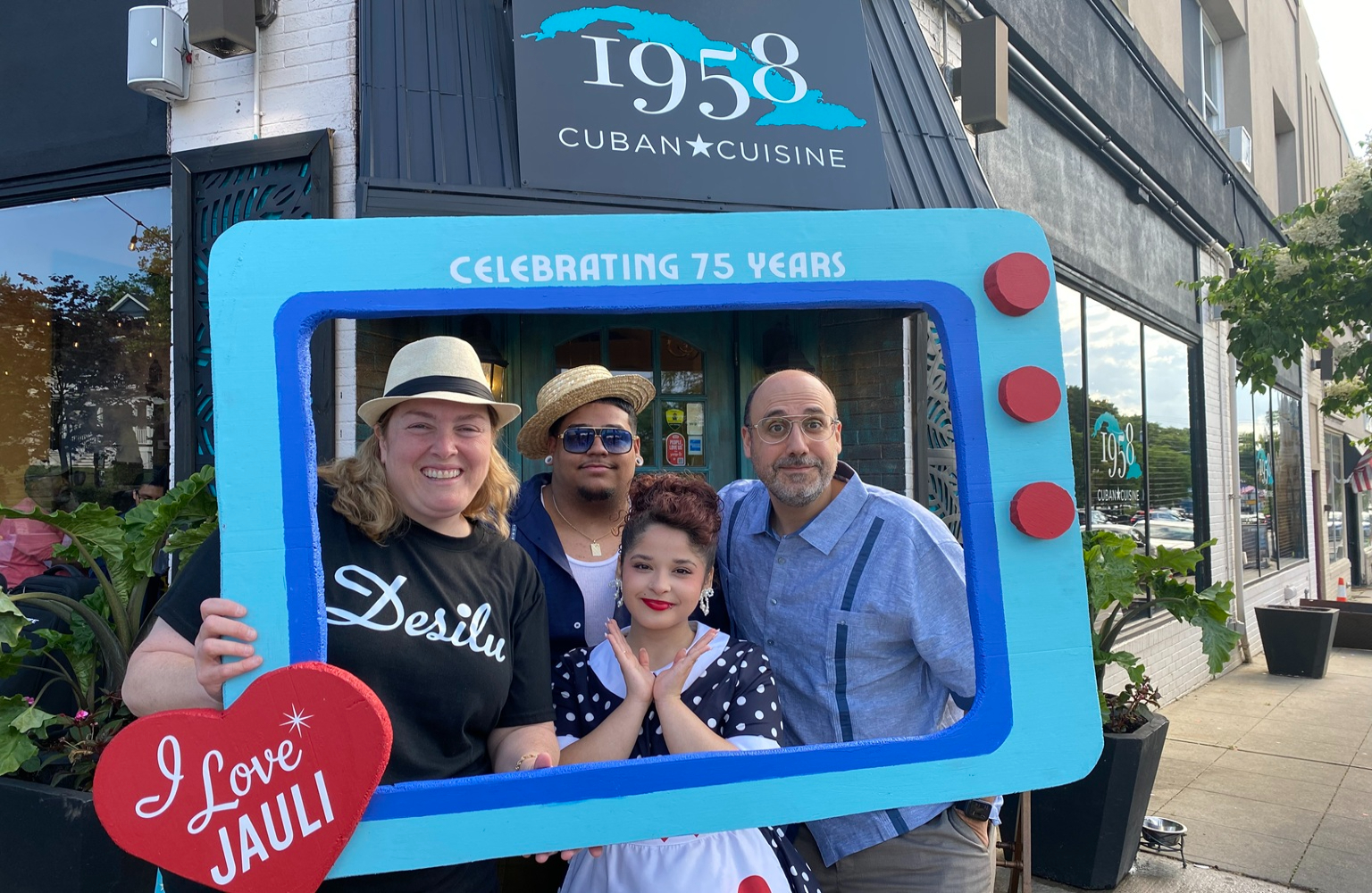
If you chuckle at either of those references, you already know why a room full of people showed up to 1958 Cuban Cuisine in Westfield on Monday dressed in retro attire, ready for Havana-inspired food, classic Latin rhythms and a night built around the legacy of Lucille Ball and Desi Arnaz.
But the event — A Tribute to Lucy and Desi: Celebrating 75 Years of Classic TV That Changed America — was about more than just recalling great bits from the era of black-and-white TV.
Organized by the Joseph A. Unanue Latino Institute at Seton Hall University, it was held to raise thousands of dollars for the Institute’s programming and scholarships. And to educate everyone about Latino history in this country.
Lori Tarke, the Institute’s executive director, spelled it out.
“It was aimed at raising cultural awareness about Latino impact,” Tarke said. “A lot of kids are not familiar with historical Latino figures, some of whom have been in the United States since before the country was founded.”
To drive that point home, the Institute debuted a roaming exhibit — 250 Years of Latino Impact on American History — that traveled the room alongside the sangria and the croquetas. The idea was to meet people where they are. Give them a great night out, good food, live music and something to think about on the drive home.
It was, Tarke said, a community love letter.
“We’re celebrating all of Latinidad, not just Cuban,” she said.
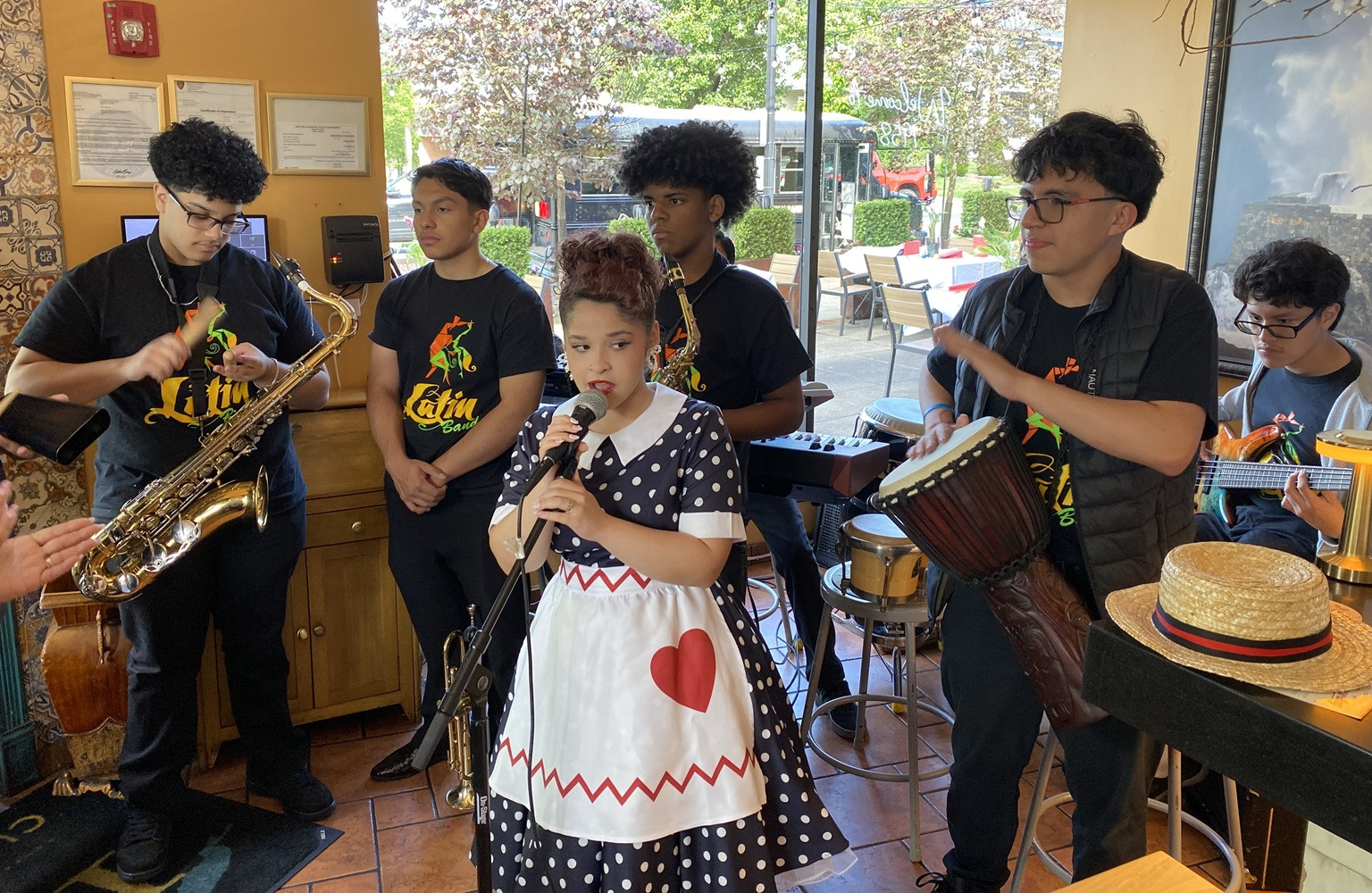
Of course, no evening like this would be complete with Latin flair. That’s why Tarke arranged for the Newark Arts Latin Band to perform and Lucy and Desi impersonators to work the room.
***
The venue was no accident.
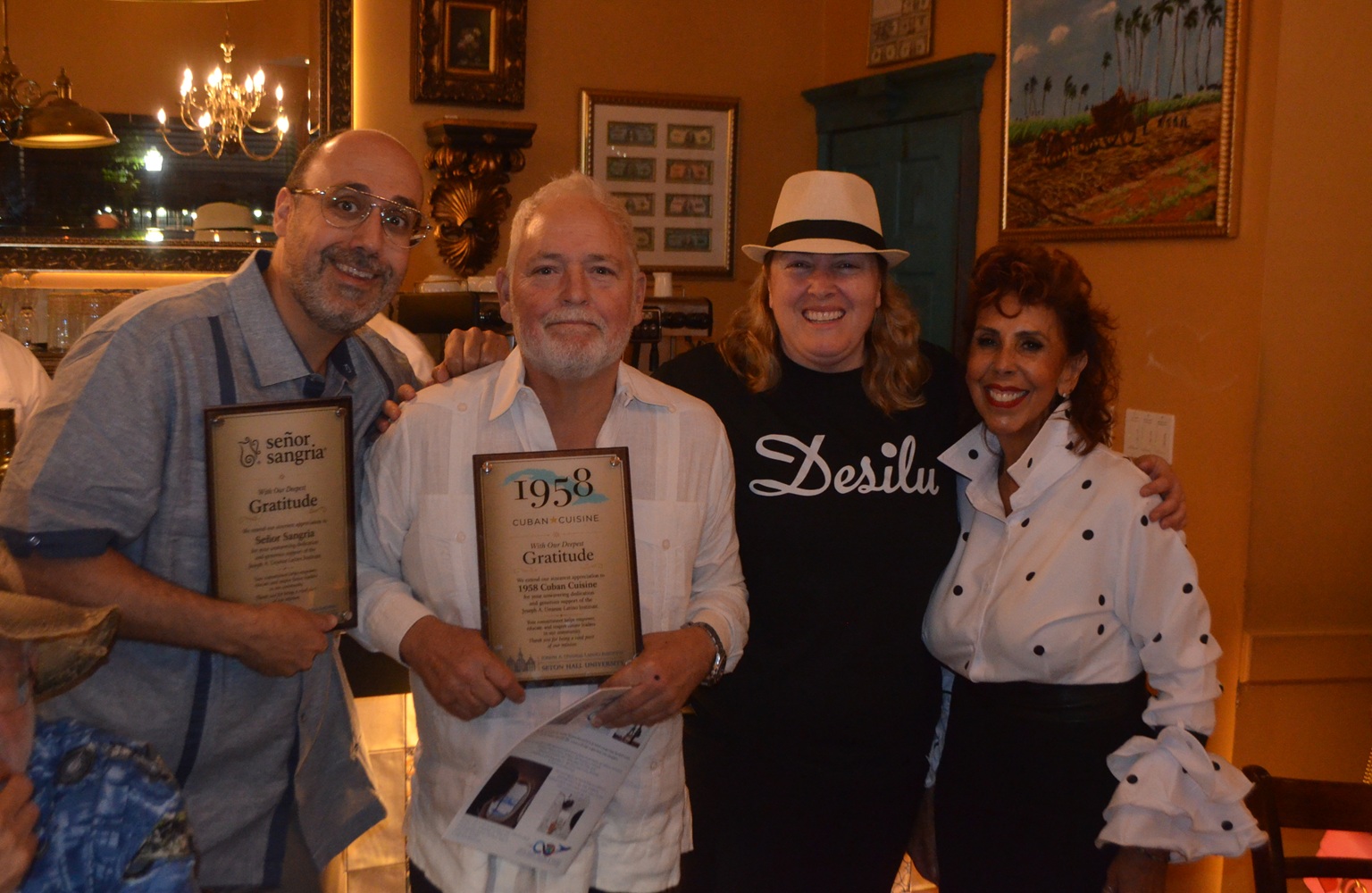
Luis and Sofia Perez are Cuban exiles who arrived in the U.S. as children and built a small business portfolio across Union County that would make any chamber of commerce proud: Sofi’s Color Lounge in Westfield, A Cozy Corner Cuban Café in Garwood and 1958 Cuban Cuisine, the Westfield restaurant that anchored the evening.
Their businesses always have been more than places to get a haircut or a meal. They are gathering places — the kind of spots where culture, community and commerce meet and nobody is in a hurry to leave.
The couple got involved with the Institute after attending its Generaciones Gala in New York City last fall. They left changed.
“We saw students being supported, community organizations being recognized, and people coming together around a shared purpose,” Luis and Sofia Perez said. “We knew we wanted to help.”
Rather than write a check, they opened their doors. They welcomed Tarke and her team into 1958 Cuban Cuisine and helped transform the restaurant into something that felt less like a fundraiser and more like a homecoming.
The evening centered on Arnaz, the Cuban-born entertainer who is almost always remembered for his on-screen charm and almost never for his business mind.
His achievements were noted:
- He pioneered the three-camera filming technique that became the industry standard;
- He built the syndication model for reruns that still drives television economics today;
And he did it as an immigrant who arrived with an accent, a conga drum and an idea — and he reshaped an industry.
For the Perezes and their guests, that story hit close to home.
“Arnaz, much like the Perez and Martinez families, and many of the owners of the small businesses contributing to this event, was an immigrant who paved his way in America and ultimately overcame all barriers to make history,” Tarke said. “His impact is felt on a global scale while our supporters impact the world through their immediate community. Those are the role models for our students.”
***
Rick Martinez, who co-owns Señor Sangria with his wife Maria Camelo, poured the drinks and understood the moment.
Señor Sangria is a New Jersey small business, and Martinez has made a habit of showing up for organizations doing work he believes in. When Tarke called, he didn’t hesitate.
“Lori brings energy to everything she does,” he said. “She’s spotlighting small business, and that’s us.
“We’re a small business based in New Jersey. We jump at any opportunity to work with an organization that’s doing good — helping students out there who don’t have the funds to go to college.”
Martinez is Cuban American. His parents left Cuba in 1971. He was the first in his family born in the United States. He knows the story the Institute is trying to tell because it is his story.
“That energy that immigrants bring to this country,” he said. “We need more of that.”
His son, he said, is starting to get it. He asked if he could benefit from the Institute’s scholarships. He’s Hispanic, after all but Tarke was quick to point out that the Institute is open to all.
“It’s exciting seeing our kids starting to get that little taste,” Martinez said.
That taste — of history, of identity, of what’s possible — is exactly what Tarke is serving up, one event at a time. The chocolates on the conveyor belt. The grapes in Italy.
Seventy-five years later, Desi Arnaz is still bringing people together. This time, to make sure the next generation knows where he came from and what he built for generations to come.


