


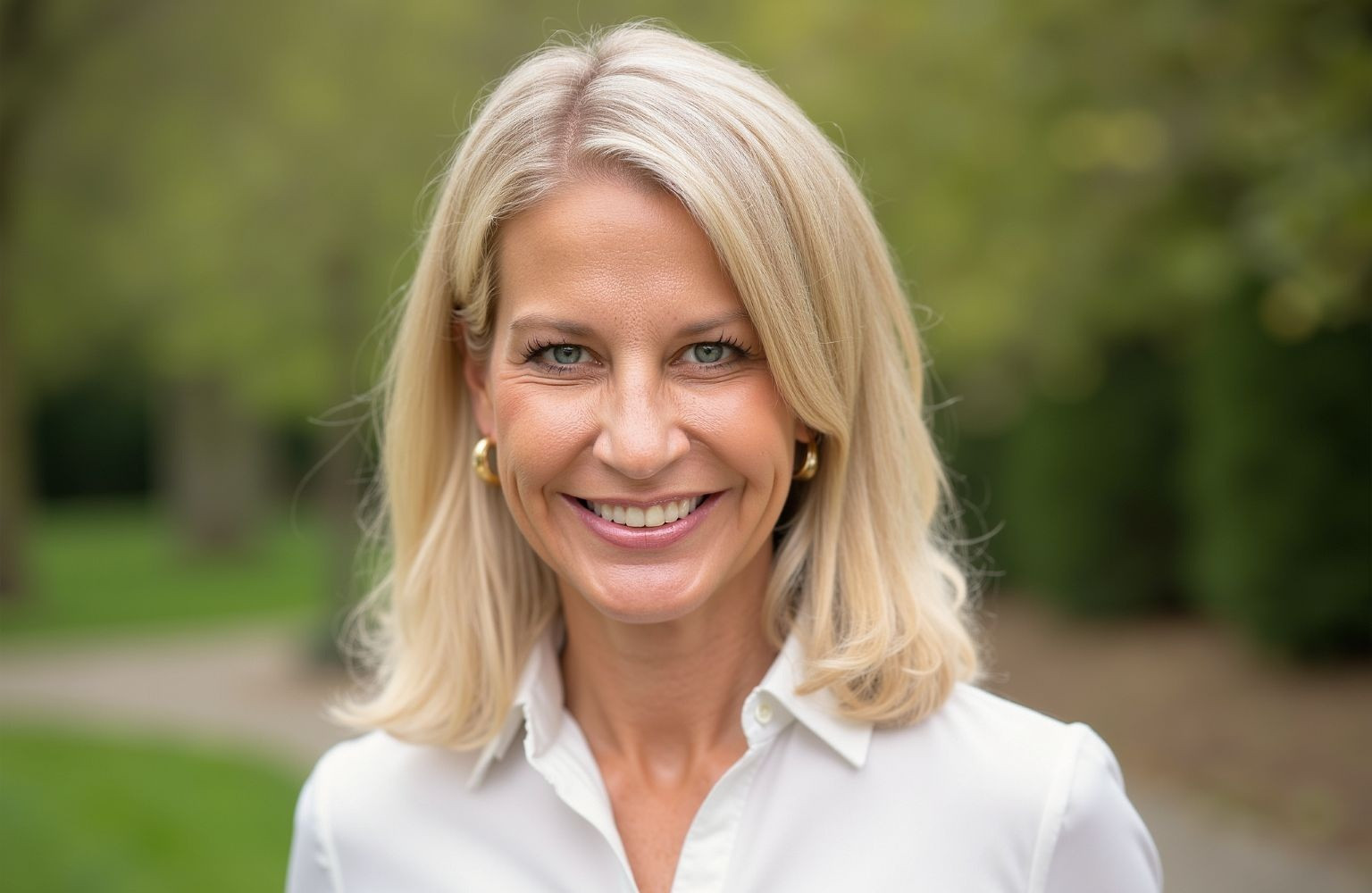
When Libby Vinson stepped into the role as CEO of the N.J. Association of Community Providers earlier this summer, she wanted to do more than just reshape the narrative around community-based care and the legislative and regulatory processes that impacts it.
Vinson also wanted to highlight and honor the direct support professionals who are making the system work.
“The DSPs are the heart and soul of the community-based system,” she said. “The relationship between the DSP and the individual is everything.”
That belief is the impetus around DSP Appreciation Week, a recognition taking place around the state and the country this week. But it’s been a key part of Vinson’s agenda since Day One.
In her first few weeks on the job, Vinson said she visited more than a dozen provider agencies across the state, sitting with staff, individuals and families to understand what’s working and what’s not.
She said what she saw — a workforce eager to serve despite being stretched thin — has reinforced her sense of urgency.
“I see connectivity of the executive leadership team and DSPs walking through a group home where they know all the residents’ names,” she said. “And they don’t just know their names. They know their interests. They know about their families, and they know about their needs and goals.”
Vinson, in her first interview since taking the role, told BINJE it’s a critical time in an industry that needs to be valued — and re-evaluated — like never before.
“Right now, we’re in a vulnerable space,” she said.
***
New Jersey’s provider system faces potential Medicaid cuts in a time of rising behavioral health needs. They are cuts that could severely impact the delivery of services to those with special needs.
Then there’s this: It’s all happening at a time when legislative and regulatory actions already appear to be more reactive than strategic, leading to other problems.
“Things are coming at us, and we’re just reacting to them,” she said. “Providers play a critical role in the delivery of care. They must be at the table and be part of the agenda-setting.”
One of her top priorities is stabilizing and investing in the DSP workforce.
Vinson previously worked with the Coalition for DSP Living Wage and helped push for wage increases that kept DSP pay above minimum wage. And she’s quick to stress, this is far from a minimum-wage profession.
“These are professionals managing complex care in challenging environments,” she said. “So, we need to continue to invest in those wages, but we also need to invest in the individuals.”
Vinson said she’s exploring models from other states that offer tiered DSP roles, expanded training and career pathways.
“We need to make sure that these workers know that they have a place to grow within their agencies and can move from DSP all the way up to executive leadership,” she said. “And
we need to support them with tuition reimbursement, mental health resources and recognition that goes beyond DSP Week.”
Recognition can come in a variety of ways. Vinson said one provider she visited had created quiet spaces for staff to decompress. It was an acknowledgment of the emotional toll the work can take, she said.
“It’s not just about salary,” she said. “It’s about feeling valued, supported and safe.”
***
Vinson is pushing for smarter regulation. She is concerned that new policies, often introduced in response to isolated incidents, can undermine flexibility and innovation.
“No good policy is driven by emotion alone,” she said. “We need data-driven solutions that work to make improvements within the system.
“There’s inherent risk, so we need to focus on areas where we can improve, but blanket regulations in response to an incidence puts strain on the system and takes away from the flexibility from providers to be able to respond to the individual needs.”
She cited a proposed bill requiring nurse oversight for every medication administered. She called it a well-intentioned idea but an impossible idea because of workforce realities, cost and logistics — mid-sized provider could administer many thousands of daily medications.
There are better ways, she said.
“Just last Friday, I was at a smart home with one of the providers that has incredible technology — one of which is a medicine administration machine, which has cut down on med errors exponentially,” she said. “That’s the kind of innovation we should be investing in.”
Vinson’s advocacy extends to housing, where she’s hopeful that all stakeholders can come together to discuss more choice in housing options that can best meet the needs of the increasing number of individuals with severe behavioral challenges entering the system. “With increasing needs, workforce challenges and limited resources, we must be creative and put everything on the table related to housing options.” Vinson also wants to take on the biggest flaw in hiring — which could be the biggest flaw in the sector. Currently, individuals fired from one agency who are not on the central registry can reappear at another, with no disclosure.
Vinson said she wants legislation that allows providers to share termination details, modeled after reforms in nursing and education.
“We need to protect individuals,” she said. “We need to ensure that bad actors don’t even get into the system.”
***
Despite the challenges, Vinson remains optimistic. She’s encouraged by the willingness of the Department of Human Services to collaborate and increase transparency around licensing and inspections.
“Fear often comes from not understanding the system,” she said. “Transparency can build trust.”
She also is proud of New Jersey’s Disability Caucus, one of just a handful in the country.
“It’s a platform for education — for lawmakers to hear directly from agencies, families and individuals,” she said. “With so many new legislators, it’s more important than ever.”
Vinson’s vision is clear: A provider community that’s proactive, a workforce that’s empowered and a system that’s rooted in empathy and reality.
“I want to listen and to work with policymakers and families and providers on policies that make sense,” she said. “Let’s stop throwing out the baby with the bathwater. Let’s have honest conversations about what’s working and what needs to change.”
Asked where she hopes the NJACP will be a year from now, Vinson didn’t hesitate: “I would love to make New Jersey the premier place to work in providing services and support to individuals with IDD,” she said. “That would be my goal.”
Here’s another goal: To make sure every week is DSP Appreciation Week.
“We celebrate them for a week — that’s not enough,” she said. “This is not just a job. To step into this space is really a calling. These are incredible humans who are making connections and changing lives every day. They need to be celebrated.”


