


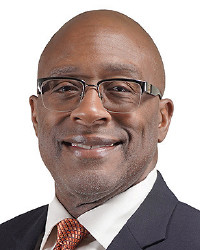
Richard Moses has been married 22 years. He has three daughters. He has spent years balancing a two-income household, a marriage, and his own mental health struggles — and he has learned that the fastest way to get a room full of men to open up is to … start with stories about his own struggles.
“A lot of times with men, we were socialized to believe whatever the problem is in front of you, you package it, you compartmentalize it, and you keep going,” Moses said. “But that’s a good way to just burn out. It’s a good way to feel isolated.”
Moses is a licensed clinical social worker who splits his time across Englewood Health’s Gregory P. Shadek Behavioral Care Center and its addiction medicine program.
He connects regularly with the system’s Shirvan Family Live Well Center. to run programming specifically built for men. The work is built on a simple premise: getting men in a room is hard, getting them to actually talk is harder — and the only way through both problems is to show up as a person first and a therapist second.
“Once you show people that you’re at their level; they get it more,” Moses said.
That’s why, before he asks a room of strangers to talk about anxiety, depression, grief or substance abuse, he tells them about his own life. The marriage. The kids. The stretch where he had to find someone he trusted because keeping everything bottled up wasn’t working anymore.
“Being able to share a little bit of my story — a little bit raw, a little bit realistic, like, here are some things I’ve had to overcome — helps them to finally realize, ‘Hey, here’s somebody that understands me,’” he said. “The rest is just them being able to open up.”
It works, but Moses is clear-eyed about why men actually return. It isn’t the conversation alone.
“You have to show value,” he said. “They’re not going to just show up. You could bring food and feed them, but if they don’t see that you’re offering something to help them overcome an obstacle, they’re not going to come back.”
Moses has built an entire ecosystem around the idea that if you give men a reason to walk through the door — and let the conversation happen as a byproduct — you’ll move in the right direction.
He runs quarterly talks at the Shirvan Family Live Well Center. covering anxiety, depression, grief, communication, and substance use, using elements of CBT and DBT — not to overload anyone with handouts, but to give the room something concrete to take home. Attendance runs anywhere from a handful of men to around 15, with a core group of regulars who keep coming back.
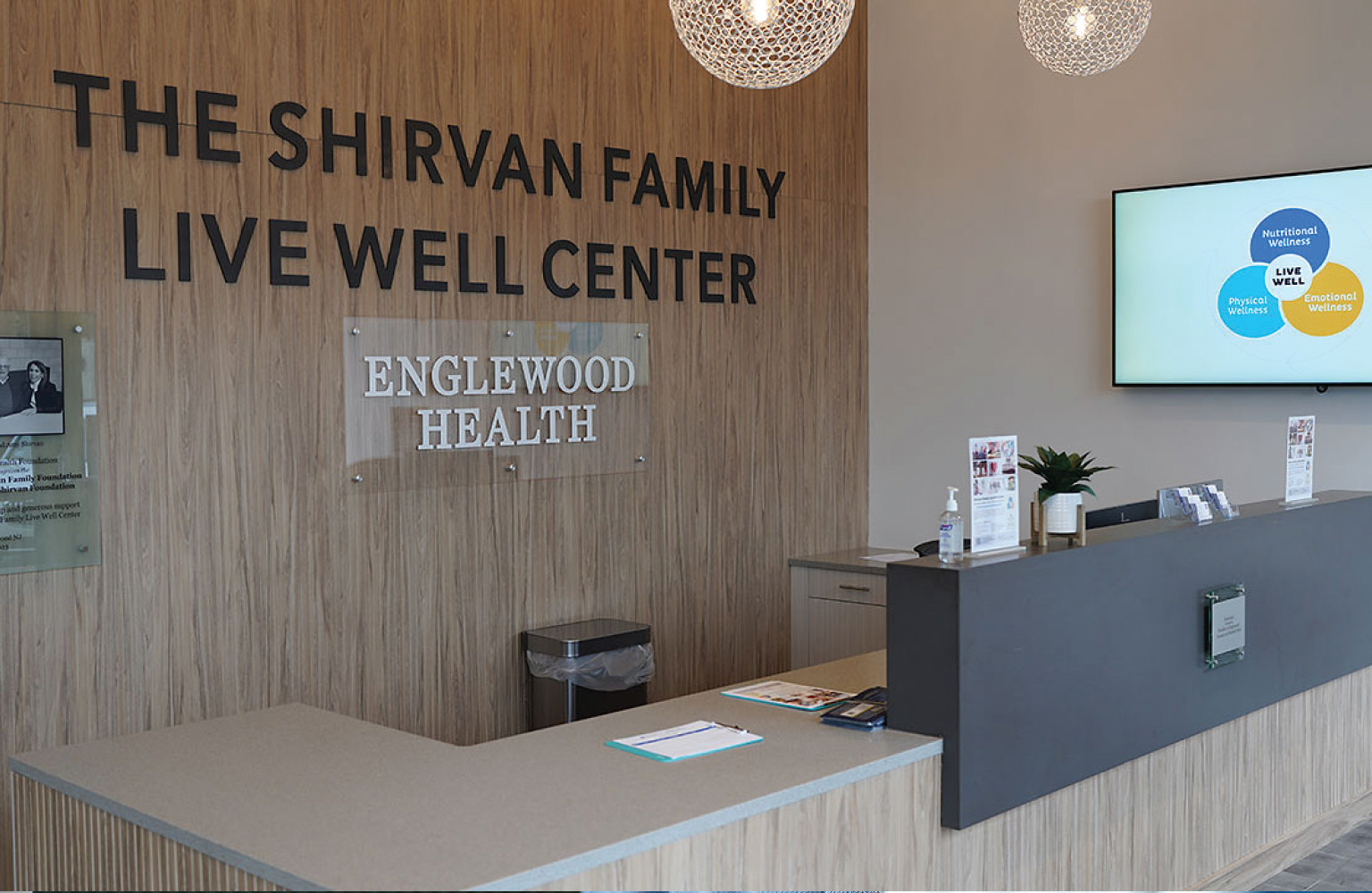
Beyond the talks, Englewood Health has built a slate of programming designed to lower the barrier even further. There’s a men’s cooking class at the Shirvan Family Live Well Center, built on the idea — backed by real evidence — that physical health and mental health move together. Eat poorly, Moses said bluntly, and don’t be surprised when you feel like garbage.
There’s Bro Reavement, a peer-run grief group that wasn’t Moses’s idea at all — it was started by a man working through his own loss, who decided to build a space for other men carrying the same weight. It isn’t run by a clinician. It runs on word of mouth, one guy telling a friend to come check it out. The group has taken its programming off-campus too, including a guided outdoor walk and meditation session at Flat Rock Brook Nature Center.
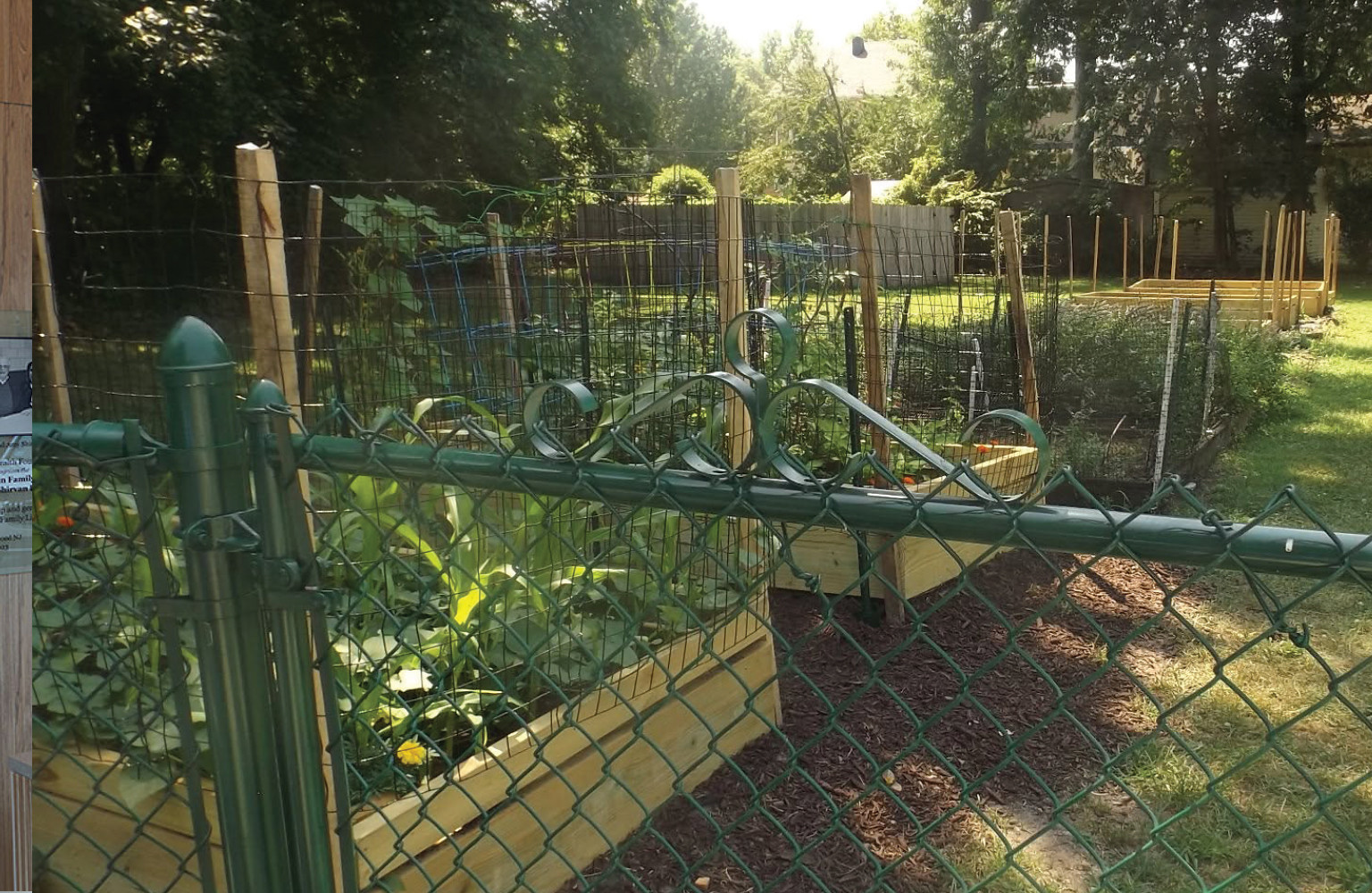
Then there’s Brotanical Gardens, a hands-on session at the 3rd Street Community Garden where men harvest herbs and produce for a future cooking class, then stay for food and conversation. And Men’s Mental Reset, which is focused on rebuilding focus and restoring strength.
Different names, different settings, same underlying strategy: give men something to do with their hands and the talking takes care of itself.
Moses is clear, none of it works if a man walks in believing he shouldn’t need any of it in the first place.
“The first thing you want a man to know is that he’s not alone, that reaching out for help is not a sign of weakness,” he said. “New Jersey is doing a lot of work to create a stigma-free environment — to let people know that if you have a mental health issue, this is not something to be ashamed of.”
That includes the men who show up without realizing they’re leaning on alcohol more than they should. Moses said it rarely comes up directly — nobody walks in announcing a drinking problem. It surfaces sideways, in a conversation about stress, about not knowing how else to cope.
“Sometimes it’s just because you don’t know how to cope with the situation,” he said. “It just seems easier sometimes, at the end of the night or during the day, to grab a bottle. But that creates another problem.”
His pitch to the men who think this isn’t for them is simple. Come for the lunch. Come for the cooking class. Come for the garden.
Come to hear someone speak that they can relate to.
It may just be the start of a conversation.
For information about Englewood Health, go to englewoodhealth.org/.


